
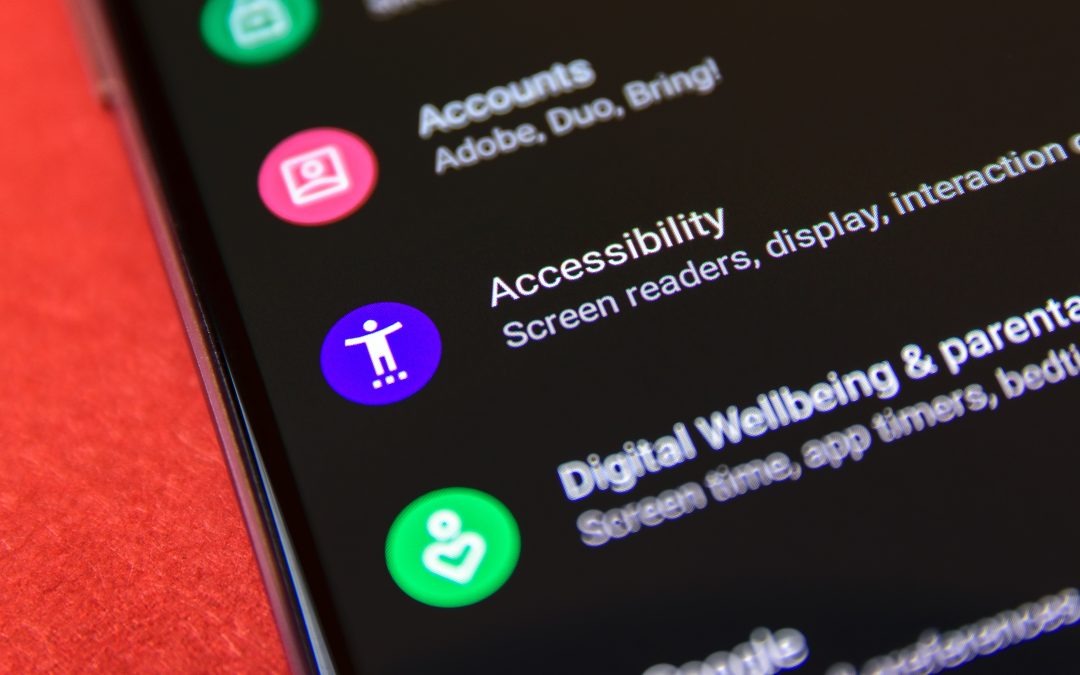
In today’s fast-paced, technology-driven world, access to digital content and services is not just a luxury—it’s a necessity. Whether we are banking, shopping, working, or simply socializing, the digital realm plays a pivotal role in almost every aspect of our lives. Yet, for millions of people around the world, navigating the digital landscape isn’t always easy. That’s where digital accessibility comes in.
Digital accessibility ensures that people of all abilities can interact with websites, apps, and other online platforms without barriers. This blog will explore why digital accessibility is important, who benefits from it, and how businesses and organizations can make their digital spaces more inclusive.
What is Digital Accessibility?
At its core, digital accessibility refers to designing and developing digital platforms—such as websites, mobile applications, and software tools—in a way that allows people with disabilities to easily access and use them. This includes ensuring compatibility with assistive technologies, such as screen readers for the visually impaired, voice commands for people with motor disabilities, and captioning for those who are hard of hearing.
The goal is to create an inclusive online environment that accommodates users with a range of disabilities, including but not limited to:
- Visual impairments (e.g., blindness, color blindness)
- Hearing impairments (e.g., deafness, partial hearing loss)
- Cognitive disabilities (e.g., dyslexia, attention deficit disorders)
- Motor disabilities (e.g., limited hand movement, tremors)
Why Digital Accessibility Matters
Equal Access is a Right
One of the most important reasons to prioritize digital accessibility is that it aligns with the principle of equality. Just as physical buildings must have ramps, elevators, and accessible parking spaces, the digital world must also be structured to serve people with disabilities. Accessibility is not just about compliance with laws such as the Americans with Disabilities Act (ADA) or the Web Content Accessibility Guidelines (WCAG)—it’s a moral imperative to ensure that everyone has equal access to information and services.
Inclusive Design Benefits Everyone
When digital platforms are designed with accessibility in mind, they become more user-friendly for everyone. Features like captions for videos, larger buttons for easier clicking, and keyboard navigation can benefit all users, not just those with disabilities. For example, a user in a noisy environment may benefit from subtitles just as much as someone with hearing loss.
Expanding Audience Reach
According to the World Health Organization (WHO), over a billion people worldwide experience some form of disability. By ensuring that your digital platforms are accessible, businesses and organizations can tap into a vast, underserved market. Ignoring digital accessibility means potentially alienating a significant portion of the global population, which can hurt brand reputation and business growth.
Improved SEO and Web Performance
Interestingly, optimizing for accessibility can also improve search engine optimization (SEO) and overall website performance. Search engines like Google prioritize content that is easily readable and structured logically—qualities that align closely with accessible design. Features like alt text for images, descriptive link text, and clear headings are not only essential for people using screen readers but also for search engine crawlers that index websites.
Legal Obligations and Risk Mitigation
Failure to provide accessible digital experiences can result in costly legal consequences. Over the past few years, lawsuits related to digital accessibility have been on the rise. In many countries, accessibility is required by law, and non-compliance can lead to penalties, fines, and damage to your organization’s reputation. Ensuring that your website and apps comply with accessibility standards helps avoid these legal risks.
Digital accessibility is more than just a trend; it’s a crucial aspect of modern web design and development that fosters inclusivity, innovation, and growth. By prioritizing accessibility, you’re not just serving people with disabilities—you’re creating a better user experience for everyone, expanding your reach, and aligning your brand with values of equality and fairness.